
Ways to Wellbeing
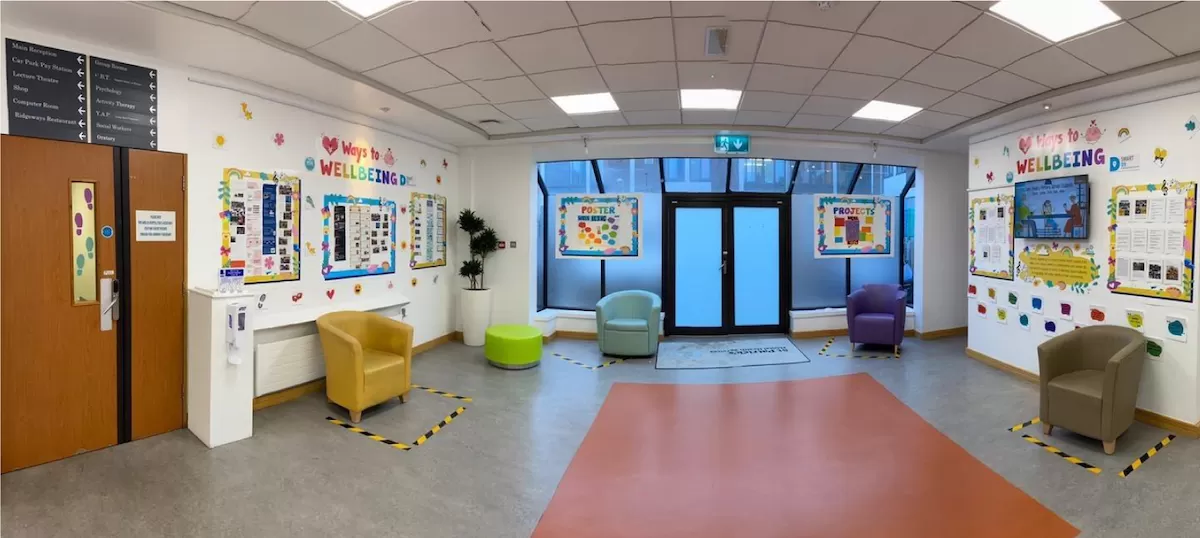
Ways to Wellbeing
Dublin 8 is home to a rich blend of younger and older residents, yet this demographic diversity has not translated into meaningful intergenerational connection in recent years. The effects of the COVID-19 pandemic deepened an existing gap, as older people experienced prolonged social isolation while young people lost opportunities to engage with elders in their communities. Concerns around mental health, resilience and positive wellbeing intensified for both groups, revealing a broader need for new approaches that could foster connection, and shared learning within the local area. Schools, meanwhile, faced their own constraints during lockdowns and public health restrictions, leaving them with limited capacity to address these challenges or create structured opportunities for students to reflect on wellbeing through real-world engagement.
It was within this context that the Ways to Wellbeing pilot emerged, developed collaboratively by Walk in My Shoes (WIMS) and Smart D8 as a response to the dual challenge of intergenerational disconnection and rising mental health pressures. Launched in 2021, the initiative invited primary and secondary schools across Dublin 8 to take part in a project centred on creative engagement with older people in the community. Students were provided with resource packs and guided materials that supported them in designing projects, ranging from podcasts and films to written stories and photographic work, based on interviews and interactions with older adults. These interactions included conversations with grandparents, neighbours and residents of local nursing homes. Public health guidelines shaped the form of these exchanges; in many cases, students relied on video calls or online interviews to gather stories and reflections on life experiences.
The project was supported by a suite of digital tutorials and instructions on recording, editing and presenting material, ensuring that students could develop their ideas even under restrictive conditions. Completed works were uploaded to the secure WIMS School Portal, which served as a shared, protected space where participating schools could view and celebrate one another’s contributions. The pilot concluded with an exhibition at St. Patrick’s University Hospital, where students’ creative outputs were publicly showcased. This event not only amplified the voices of both young people and older residents but also generated a sense of collective pride in the community’s ability to produce thoughtful, intergenerational work despite the challenges posed by the pandemic. Recognition for participating groups included certificates, trophies, and a range of shared experiences.
The impact of Ways to Wellbeing extended beyond the immediate outputs. Over the course of the pilot, 279 students across four schools contributed a total of 30 distinct projects in various formats. The initiative facilitated new social bonds and strengthened existing relationships between generations, offering students unique insights into resilience and mental wellbeing through firsthand narratives. For older participants, the project provided moments of connection and recognition during a period marked by limited social interaction. Teachers reported deep learning outcomes among students, noting increased empathy, respect and understanding of the lived experiences of older adults. The public exhibition further embedded the project within the community and sparked interest among schools in making the initiative a permanent or national level campaign.
As a place-based mental health intervention, Ways to Wellbeing illustrates the potential of creative methodologies and community collaboration to bridge generational divides. By centering storytelling, local engagement and structured facilitation, the project demonstrates how intergenerational initiatives can contribute to healthier, more connected urban communities, particularly in times of social disruption.
One teacher spoke of the pilot:
“In a world of more virtual interactions than physical, human connection is now more important than ever and this project presented such a fantastic opportunity for young and old in Dublin 8 and at a time when it was really needed. The Ways to Wellbeing project was a focal point of our Wellbeing Week and throughout the week, our school garden became a daily haven for laughter, advice and wisdom. Our elderly volunteers imparted such valuable insights to our eager interviewers. Connections with the local nursing home residents and local knitting group were also made and friendships were fostered. We are very grateful to all the elderly volunteers / those who volunteered their time to make this such a memorable experience for all the pupils”
Another noted said:
“It was so lovely and heartwarming to watch the different generations interact together. The children were so excited (and shocked!) to find out about how different life was growing up long ago! It gave the children a different outlook on older people and opened up opportunities for new friendships across the ages to grow!”