
Optimising Health Data
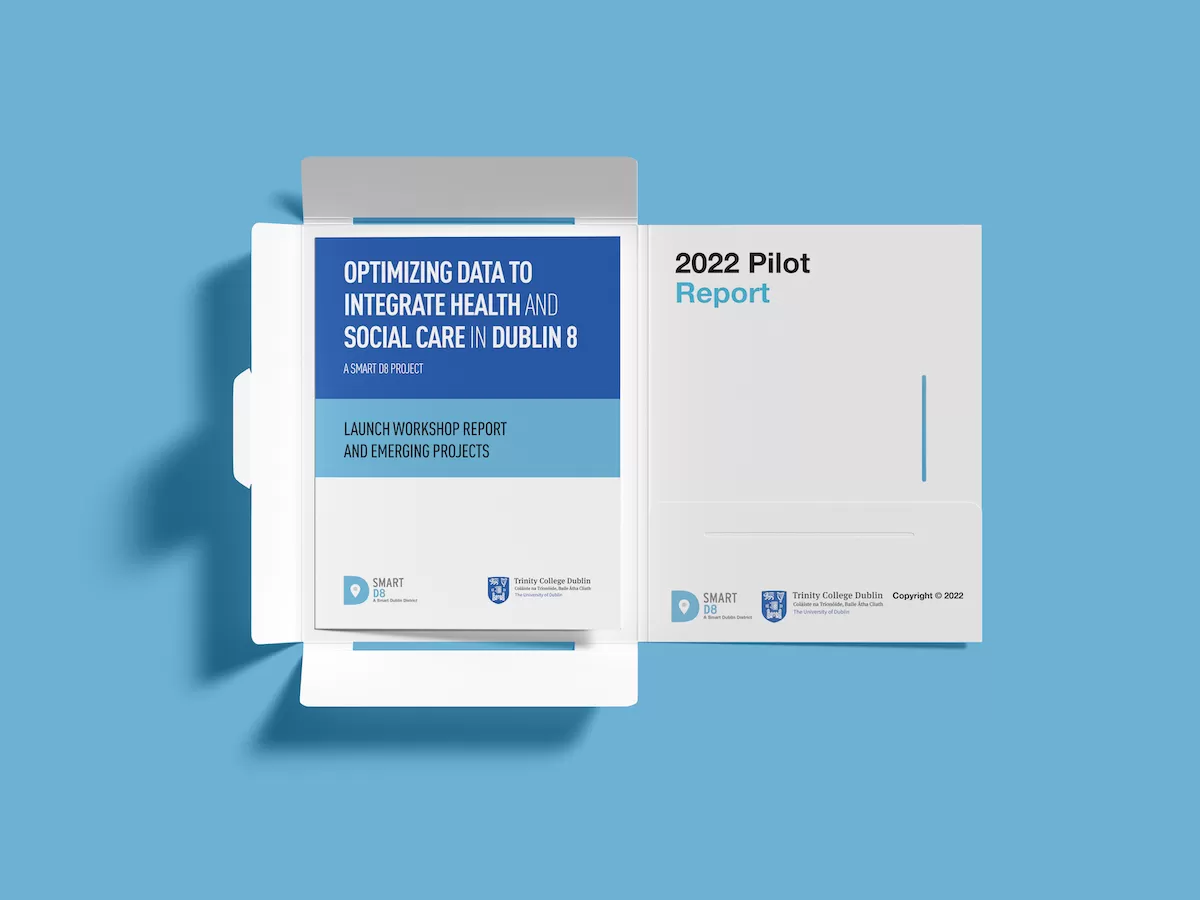
Optimising Health Data
The Optimising Health pilot project in Dublin 8 emerged in response to longstanding community concerns about deteriorating housing conditions and their impact on residents’ health, particularly those living in Oliver Bond House. For years, the Robert Emmet Community Development Project (CDP) had documented severe issues such as damp, mould, drafts and poor insulation, along with residents’ difficulties in having these problems acknowledged and addressed. A 2021 environmental conditions survey conducted by the CDP revealed the scale of the issue: 82.8% of respondents reported mould and damp, 73.7% reported drafts or inadequate insulation and nearly half stated that a medical professional had linked their poor health to the condition of their home. Yet despite the clarity of this evidence, the absence of accompanying health data limited the community’s ability to demonstrate the relationship between housing conditions and health inequalities when advocating for remediation.
It was within this context that the Optimising Health pilot, part of the broader Smart D8 initiative on using data to integrate health and social care, was conceived. The project sought to explore whether local health data, combined with existing environmental findings, could strengthen community efforts to highlight the health risks faced by Oliver Bond House residents. Through collaboration among the CDP, researchers at Trinity College Dublin, general practice staff and public health partners, the project aimed to identify and share meaningful health information that could be used to support community advocacy and inform targeted interventions.
The project began by scoping existing national and local health data sources, including datasets from the HSE Health Intelligence Unit and the Health Atlas. While these sources provided useful contextual information, they could not reveal differences at the extremely local scale required – namely, health disparities between residents of Oliver Bond House and their immediate neighbours. To address this gap, the group worked with a local general practice that served both populations. With technical support from Trinity College Dublin, the practice analysed its own patient records to identify evidence of asthma across its patient list, distinguishing between Oliver Bond House residents and those living elsewhere. This analysis involved extracting and anonymising data on diagnoses, symptoms and prescriptions and applying a consistent method to identify likely cases of asthma.
The results revealed a striking disparity. Evidence of asthma was present in 18% of Oliver Bond House residents, compared with just 8% of other patients attending the same practice. Further analysis demonstrated that living in Oliver Bond House was associated with more than double the odds of having asthma. While residents were also more likely to hold a medical card, a factor associated with higher asthma prevalence, statistical modelling showed that the association between residence and asthma remained substantial even when accounting for deprivation. These findings provided robust, localised evidence of a health inequality that had previously been obscured within broader datasets.
To contextualise this local data, the team conducted a focused literature review examining the links between poor housing conditions and respiratory health. The review reinforced the lived experiences of Oliver Bond House residents: decades of research demonstrate clear associations between dampness, mould, inadequate ventilation, low temperatures and increased respiratory problems. Importantly, intervention studies indicate that improvements to heating, insulation and ventilation can reduce respiratory symptoms, providing evidence that addressing housing conditions can have measurable health benefits.
The combined findings were shared with the local community through the Robert Emmet CDP and became a powerful tool for advocacy. For residents, the data validated long-expressed concerns, giving quantifiable weight to their experiences. For policymakers and service providers, the project illustrated how routine healthcare data, when used collaboratively, sensitively and at an appropriately granular level, can reveal stark health disparities hidden within small urban areas. The Optimising Health pilot thus not only contributed to the campaign for improvements at Oliver Bond House but also demonstrated a scalable model for how communities, healthcare providers and academic institutions can work together to identify local health needs and support evidence-based action.
In doing so, the project highlights the importance of integrating health and social data to address the environmental determinants of health. By grounding community advocacy in locally generated evidence and linking it to wider scientific research, this initiative underscores the need for targeted interventions and structural improvements to create healthier, safer living environments. Moreover, it exemplifies how collaboration across sectors can illuminate hidden inequalities, enabling more responsive and equitable approaches to health planning within urban communities.