
Menopause and The City
Menopause and The City
Menopause is something most women will experience, yet for many it arrives with little warning and even less support. More than three quarters of women report symptoms, one in four describe them as severe, and for a third these symptoms can continue for seven years or longer. Despite this, conversations around menopause often remain muted or medicalised, leaving many women unsure of what is happening to their bodies or where to turn for reliable guidance. In Dublin 8, where rates of chronic illness and mental health need are already high, the lack of accessible information can compound stress and push some women into crisis. Nationally, 12 per cent of women say they have left work due to menopause-related issues – a stark indicator of how much this life stage can affect daily life when support is lacking.
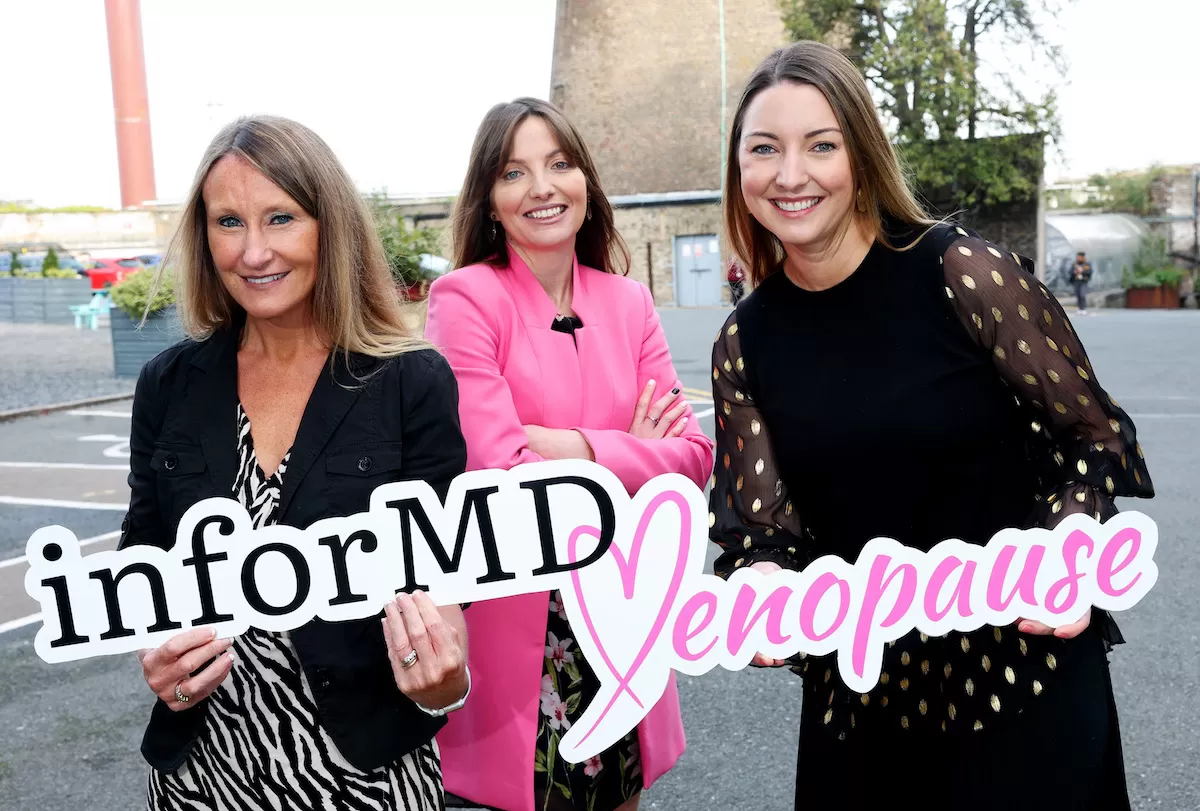
It was this gap that “Menopause and the City,” a Smart D8 pilot project led by Dr Louise Fitzgerald, set out to address. The idea was simple: make menopause information easy to find, easy to understand and easy to trust. The project, launched in 2023, combined a new digital platform with a series of community workshops to create a space where women could access practical advice without judgement or jargon. Central to the initiative is the inforMD Menopause website, a free, open-access resource that explains symptoms, offers self-management tips and sets out clearly when medical help may be needed. There are no log-ins, no paywalls, just straightforward information designed for real lives.
But information alone isn’t always enough, and so the project moved into local halls, community centres and meeting rooms across Dublin 8. The in-person workshops have been one of the project’s most powerful elements. Women came with questions, worries and stories of feeling dismissed or overwhelmed; they left with practical tools, better understanding and often a sense of relief. Friends, partners and family members attended too, recognising that menopause is not something a woman should have to navigate alone.
The impact has been striking. From when the pilot launched on World Menopause Day in 2023, more than 1,188 people used the online platform by the beginning of 2024. Over 142 people attended workshops in the first few months, and surveys show that women’s confidence and understanding improved dramatically – from an average knowledge score of 2.84 to 4.2 out of 5. Every participant said they felt better equipped to find reliable information afterwards, and all reported that the sessions were useful. The work has also helped spark a wider conversation, creating links between GPs, menopause specialists, pharmacists, physiotherapists and mental health professionals who are now part of a growing local support network.
Perhaps the most encouraging outcome is the project’s momentum. Workshops and materials quickly began being adapted for a broader audience, with a particular focus on menopause in the workplace, an area where many women said they needed more support and understanding. The combination of an accessible digital resource with community-based engagement offers a model that other areas are beginning to look toward, proving that small, local initiatives can ripple outward with national relevance.
At its core, “Menopause and the City” is about giving women the information and reassurance they should already have had. It shows what can happen when communities, health professionals and local organisations work together to take a once taboo topic and bring it into the open. And for countless women moving through menopause, often silently, this project signals a welcome shift: a recognition that their experiences matter, and that better support is not only possible but long overdue.